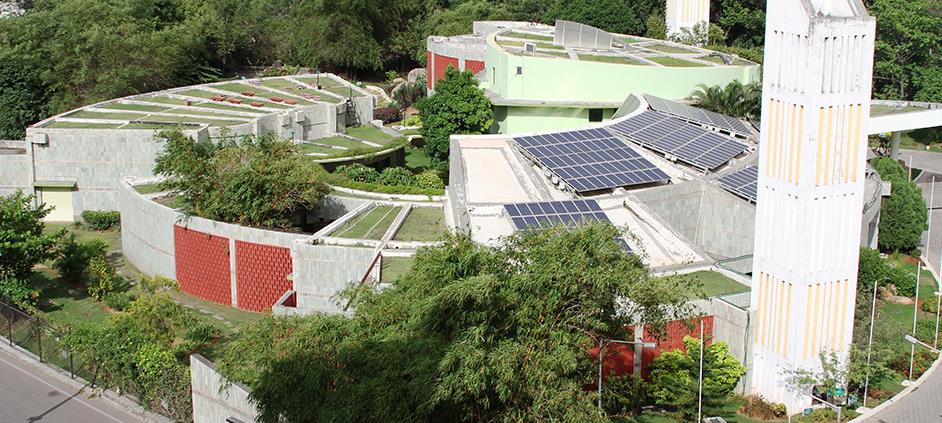
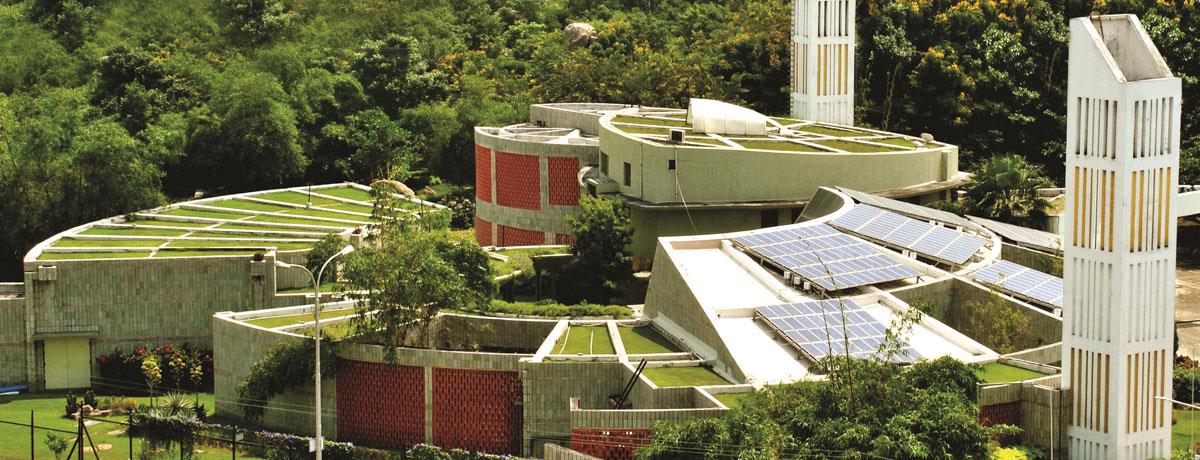
In today’s rapidly transforming architectural landscape, the intersection of design and sustainability is no longer optional—it is imperative. The role of green building analysis has emerged as a powerful method to guide architects and designers toward environmentally conscious, scientifically informed, and socially inclusive solutions. My work as a green building analyst has provided key insights into how data-driven design not only reduces environmental impact but also enriches human experience. Particularly in India, where sustainability challenges are complex and urgent, this analytical lens can significantly influence the trajectory of the built environment.
Understanding Green Buildings in the Indian Context
Green buildings go beyond operational efficiency. They embody a life-cycle approach, considering impact from construction through occupancy to demolition. Key aspects include reducing embodied and operational carbon, optimizing energy and water usage, and integrating local, low-impact materials.
In India, these efforts align with national priorities. Rapid urbanization, energy insecurity, water scarcity, and climate change make sustainable construction not just desirable, but necessary. Initiatives like the Smart Cities Mission and India’s National Action Plan on Climate Change (NAPCC) emphasize sustainable urban growth, where green buildings are vital building blocks
Green building rating systems provide structure to this pursuit. In India, IGBC (Indian Green Building Council), LEED (Leadership in Energy and Environmental Design), and GRIHA (Green Rating for Integrated Habitat Assessment) offer comprehensive frameworks for evaluating environmental performance. These systems assess building design and operation across categories such as :
- Site Sustainability
- Energy Efficiency
- Water Management
- Indoor Environmental Quality
- Material and Resource Optimization
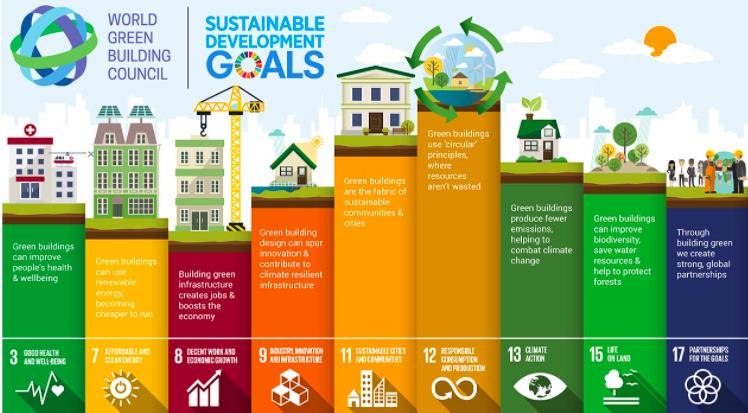
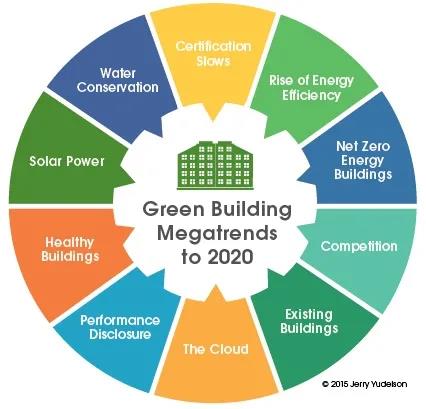
These standards help architects benchmark performance, uncover inefficiencies, and plan design interventions. Certifications enhance credibility, market value, and occupier well-being, all while contributing to national sustainability goals :
Architect’s Perspective: Green Analysis as a Design Catalyst
From an architect’s standpoint, green building analysis is not a post-design check but a design enabler. It offers quantifiable feedback that informs early decisions—from massing and orientation to material selection and detailing.
For instance, daylight and thermal analysis can guide façade design to balance natural illumination with thermal insulation. By optimizing window-to-wall ratios, integrating shading devices, and enhancing envelope performance, architects can reduce reliance on artificial lighting and HVAC systems, creating energy-efficient buildings that maintain
comfort passively. Material decisions also benefit from analysis. Assessing embodied carbon, recyclability, and thermal properties of materials leads to more responsible specifications. For example, substituting high-embodied-energy materials like concrete with stabilized earth blocks or fly ash bricks can significantly lower the carbon footprint.
Water efficiency is another realm where analysis proves critical. By mapping demand and simulating water flow, designers can better integrate low-flow fixtures, rainwater harvesting, and greywater recycling, reducing overall consumption. In energy performance, dynamic simulations of HVAC systems, lighting loads, and renewable integration
help design for Net Zero Energy Building (NZEB) targets. These scientific inputs ultimately empower architectural intuition with precision.
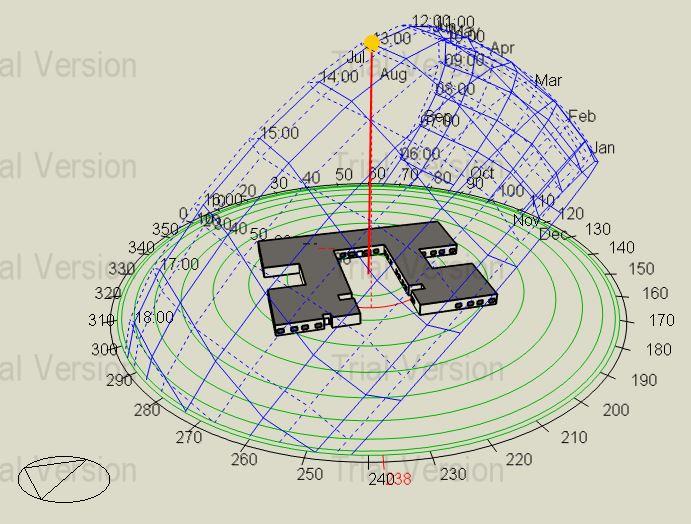




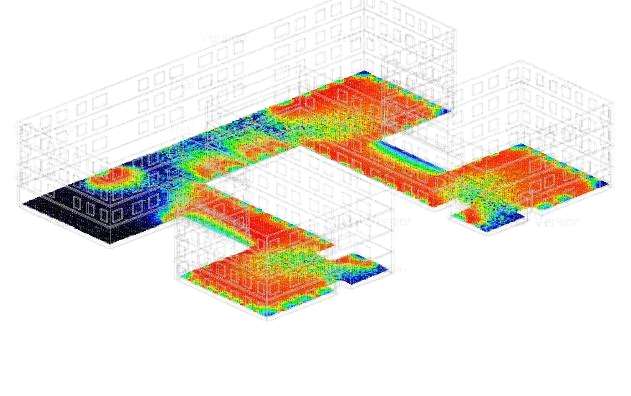

External and internal daylight analysis, when combined with solar geometry studies, allows architects to strategically design building orientation, fenestration, and shading systems in alignment with the sun’s path. By optimizing the building’s orientation and integrating fixed or dynamic shading devices, one can control solar gain and glare while enhancing useful daylight illuminance. This reduces the need for artificial lighting and minimizes cooling loads caused by excessive solar heat gain.
Daylight autonomy simulations also help architects design spaces that align with natural circadian rhythms, improve user comfort, and reduce lighting energy consumption. Optimizing window-to-wall ratios, using light shelves, or deploying daylight redirecting technologies ensures balanced luminance throughout the interior. Internally, reflective surfaces and material selection further guide light distribution
When coupled with thermal envelope analysis, these strategies significantly reduce overall energy demand and improve building performance—supporting compliance with passive design standards and contributing to net-zero energy goals.
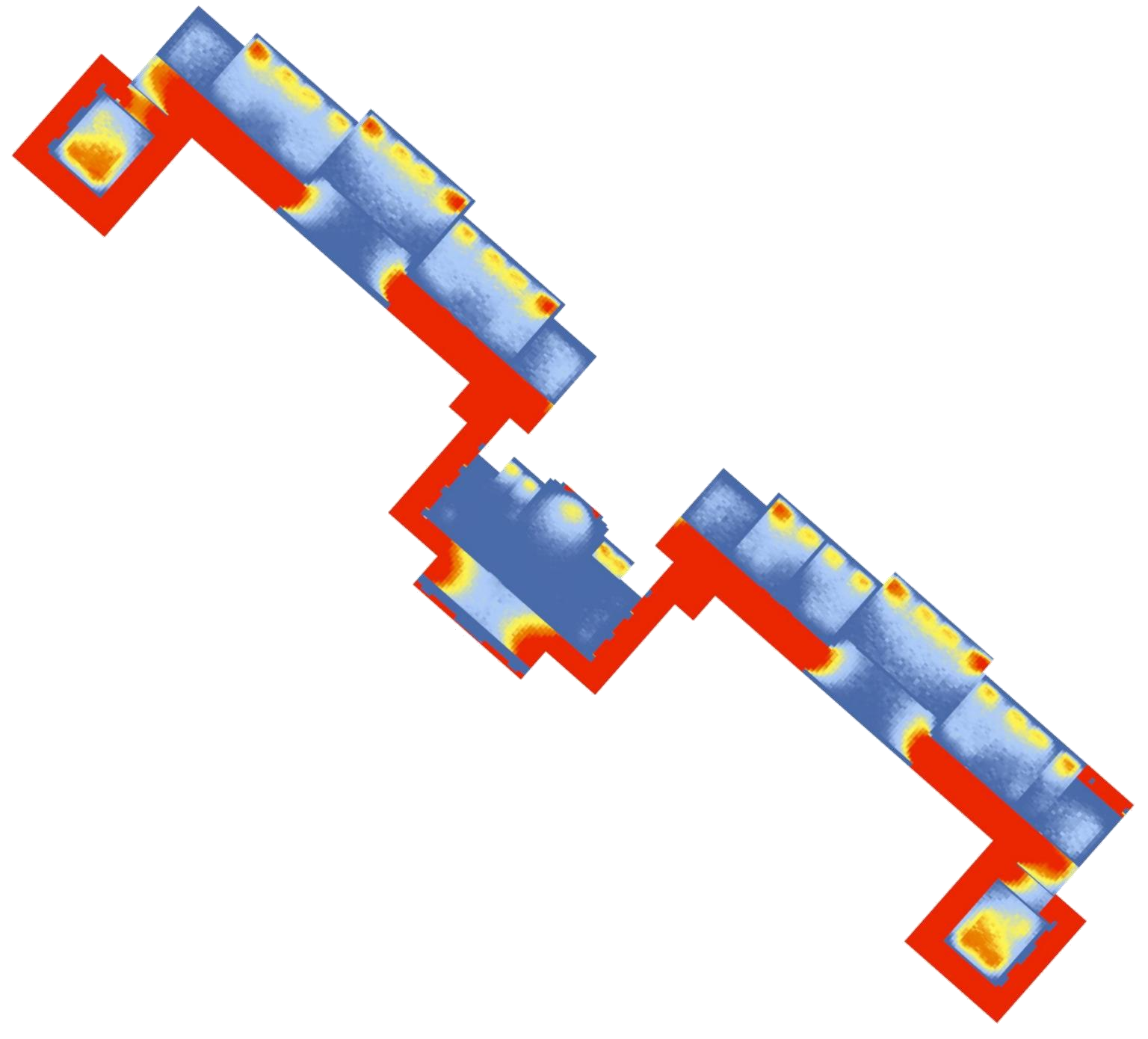
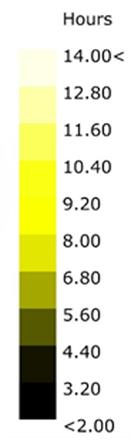
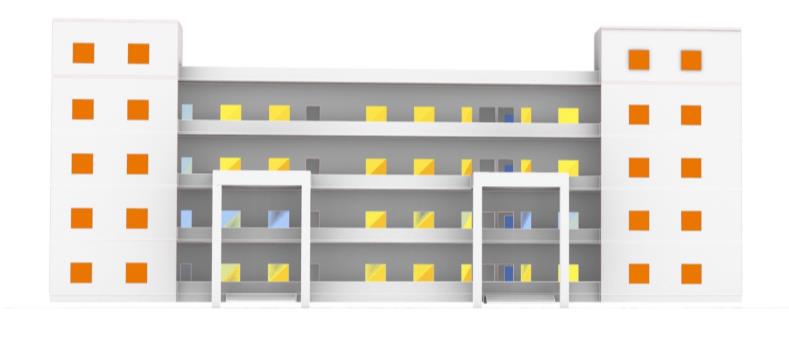
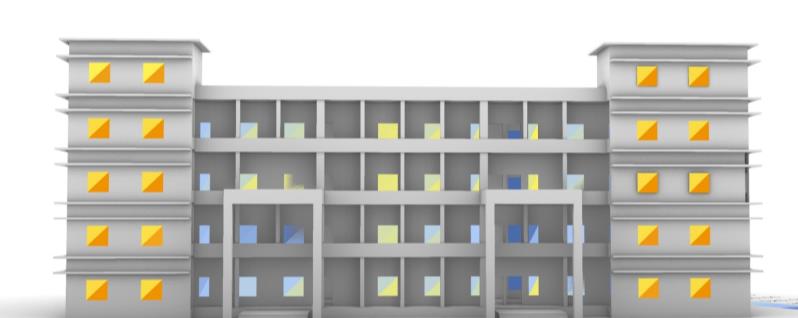
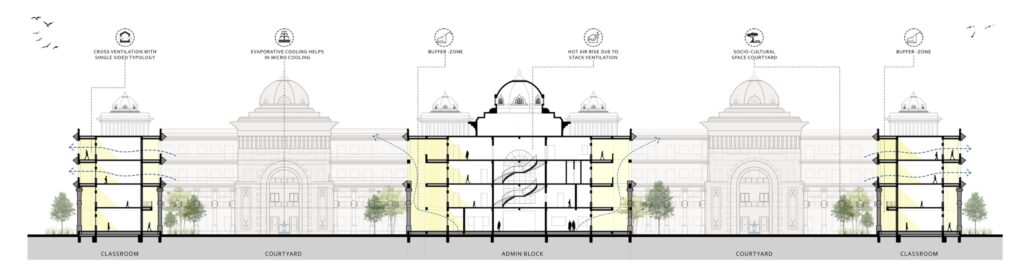
For example, the design of the Gurukulam campus is being evolved through Radiation and sunlight hours analysis using a 3D model with Grasshopper. The analysis reveals that the southwest, south, east, and west surfaces require shading. To address this, projections were added to all openings, providing summer shading while allowing winter sunlight to enter the building. Additionally, incorporating courtyards aids in mutual shading and reduces radiation on the southwest facade. The main southwest-facing administrative and academic block has been further examined by introducing various architectural elements to mitigate solar impact. It is evident that adding verandas significantly reduces radiation, improving daylight penetration inside the building. To enhance performance, colonnades and louvers were included to act as buffers between classrooms, thereby lowering energy loads and increasing thermal comfort.


Social Design Lens: Sustainability Beyond Metrics
While environmental metrics are critical, the social dimension of sustainability must not be overlooked. As a social designer, I see green building analysis as a tool to bridge physical design with human well-being.
Accessibility becomes central. Analysis-driven insights enable inclusive features such as barrier-free circulation, tactile signage, and universal restrooms. This not only enhances usability for people with disabilities but supports aging populations and inclusive urbanism.
Indoor air quality (IAQ) analysis, informed by material selection and mechanical ventilation strategies, ensures healthier interiors. Low-VOC paints, formaldehyde-free furnishings, and active air filtration improve occupant health and reduce respiratory illness risk—a crucial factor post-pandemic.
Thermal comfort analysis, based on adaptive comfort models, aligns building systems with local climate and user expectations. For instance, passive cooling strategies like cross-ventilation, thermal massing, and shading are more aligned with both Indian climates and traditional knowledge systems.
Designing for natural daylight access not only improves circadian rhythm alignment but fosters psychological well-being. Studies link daylight exposure to higher productivity and emotional balanc —outcomes critical for schools, offices, and healthcare spaces.
Cultural sensitivity is another layer. Green building analysis can guide the integration of local materials and vernacular forms, reinforcing identity and place-based belonging in the built environment
Beyond Ecology: Broader Impacts of Green Building Analysis
The value of green building analysis extends beyond reducing carbon footprints. It offers economic, social, and operational advantages that align sustainability with market sensibility.
- Cost Efficiency: Through life-cycle cost analysis, design teams can uncover savings in material procurement, energy use, and system maintenance. Though green materials may have higher upfront costs, long-term operational savings and durability justify the investment.
- Increased Asset Value: Certified green buildings often command higher rents and resale value. For developers, achieving IGBC or LEED certification is a market differentiator, attracting eco-conscious investors and tenants.
- Occupant Productivity: Enhanced thermal and visual comfort, air quality, and acoustics foster more productive work and learning environments. Organizations see lower absenteeism, better retention, and improved user satisfaction.
- Policy Alignment: In India, aligning projects with national and state-level mandates (e.g., ECO Niwas Samhita, Energy Conservation Building Code) through analysis can streamline approvals and access government incentives.
Ultimately, green building analysis transforms sustainability from an aspiration into a measurable, integrated design strategy.
A Call to Integrate Analysis in Design Practice
Green building analysis is not an external add-on but a foundational layer of thoughtful design. For architects, it offers a scientific lens to test design hypotheses and enhance performance. For social designers, it provides tools to ensure equity, health, and cultural relevance are embedded in sustainable solutions.
In the Indian context, where rapid development must be tempered by ecological and social responsibility, green building analysis can play a transformative role. It aligns well with emerging priorities like climate resilience, energy independence, and affordable housing.
As the built environment faces increasing scrutiny, the future belongs to designers who can think systemically, work interdisciplinarity, and act responsibly. Green building analysis provides the roadmap
“By embracing this analytical mindset, we move closer to an architecture that is not only visionary but also verifiable in its impact— an architecture that designs not just for today, but for a sustainable, inclusive tomorrow.”